C++ Tutorials & Articles

Transitioning from C to C++

Transitioning from C to C++: A Quick Guide for Novice Programmers

As we begin the study of C++ and object oriented programming, a few comments are in order to help you get started. Since the field of object oriented programming is probably new to you, you will find that there is a significant amount of new terminology for you to grasp. This is true of any new endeavor and you should be warned not to be intimidated by all of the new concepts.

Compounded Types in C++

Compounded Types in C++

Welcome to the another C++ article where we will uncover the language’s flexibility and power through various data types. In this article, we’ll explore the compounded types such as Enumerated Types, Simple Structures, Very Simple Classes, the intriguing concept of the union and Type Conversions in C++. So, buckle up, aspiring programmers, as we embark on a journey to demystify these essential building blocks of C++.

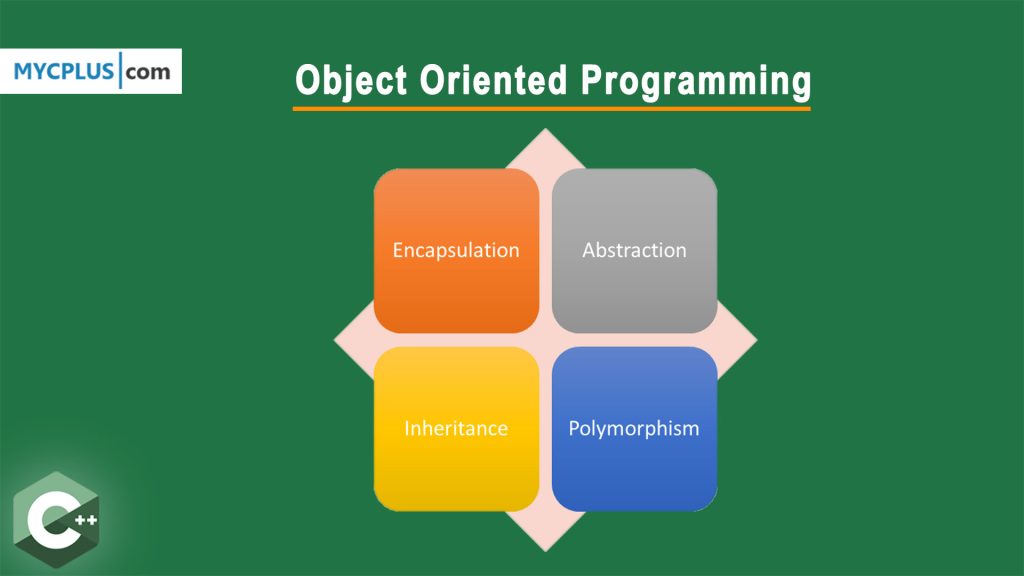
Object Oriented Programming

Inheritance in C++

The principle of inheritance is available with several modern programming languages and is handled slightly differently with each. C++ allows you to inherit all or part of the members and methods of a class, modify some, and add new ones not available in the parent class. You have complete flexibility, and as usual, the method used with C++ has been selected to result in the most efficient code execution.

An Introduction to C++

An Introduction to C++

The goal of these columns is to explore object-orientation through practical object-oriented programming. This time, we look at C++, but in the future we will explore other areas of object-orientation. Learning an object-oriented language-a whole new way of programming-will pave the way for many exciting topics down the road.

C++ Lecture Notes

Introduction to C++ – Lecture Notes

This post contains lecture notes of “Introduction to C++” course which is taught at MIT OpenCourseWare. OCW is a free and open publication of material from thousands of MIT courses, covering the entire MIT curriculum. There’s no signup, no enrollment, and no start or end dates.

Scroll to Top