C Programming Source Code Examples

Explore C programming source code examples to learn general programming concepts. Perfect for beginners practicing coding, algorithms, and real-world C projects.

Scientific Calculator - C Implementation
C Programming Source Code Examples

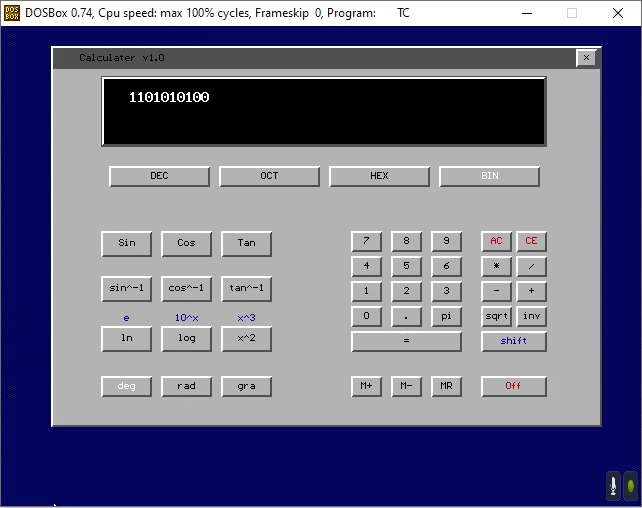
Graphical Scientific Calculator with Advance Features

This is a C implementation of basic and few advance scientific features of calculator. It shows a nice graphical UI of the calculator with 3D buttons and demonstrates click button animation functionality. The functionalities of the calculator includes: Basic Mathematics (Add, Subtract, Multiply and Divide), Advance Mathematics (Square root, Square, Cube), Logarithmic Functions (Log, Natural Log (ln), e, Exponential), Number Conversions (Binary, Decimal, Hexadecimal and Octal), Trigonometric Functions (Sine, Cosine, Tangent, Cotangent, Secant and Cosecant), Angle Measurement (Degree, Radia and Gradian), Other Functions (Memory, Pi and Inv).
, , ,
Defensive Programming Techniques
C Programming Source Code Examples

Defensive Programming Techniques

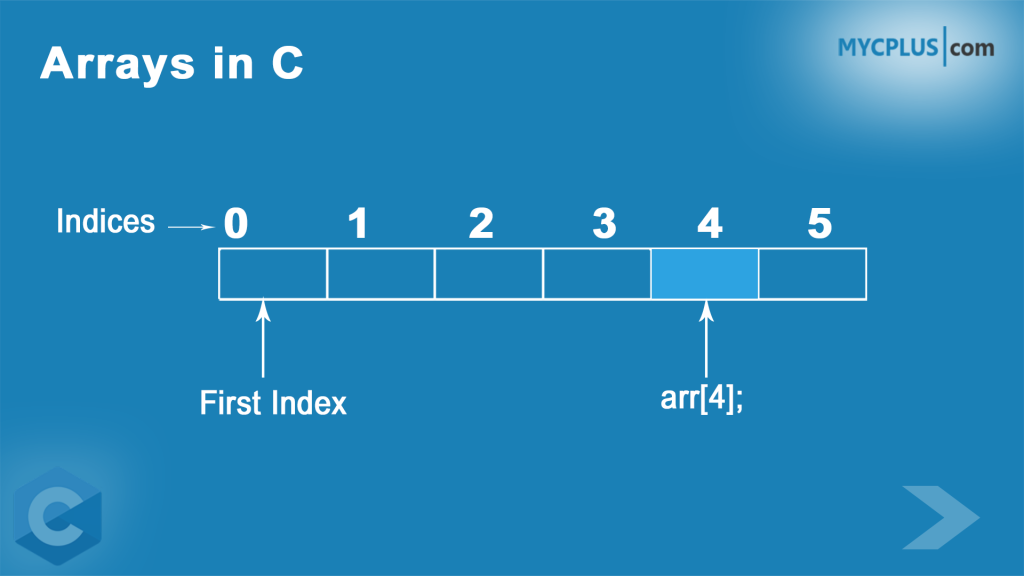
This source code is from Thinking in C++, 2nd Edition, Volume 2, by Bruce Eckel & Chuck Allison. You can use Borland, G++ (For version 3 and above only), Microsoft (For C++ with .NET only) to compile and build this source code. Writing perfect software may be a daunting task for developers, but a few defensive techniques which are routinely applied can go a long way toward narrowing the gap between code and ideal. Defensive programming practices are often used where high availability of the application is required, safety if utmost concern, or security is needed for application to work.

, ,
Arrays in C
C Programming Source Code Examples

Different ways to initialize an array in C Programming

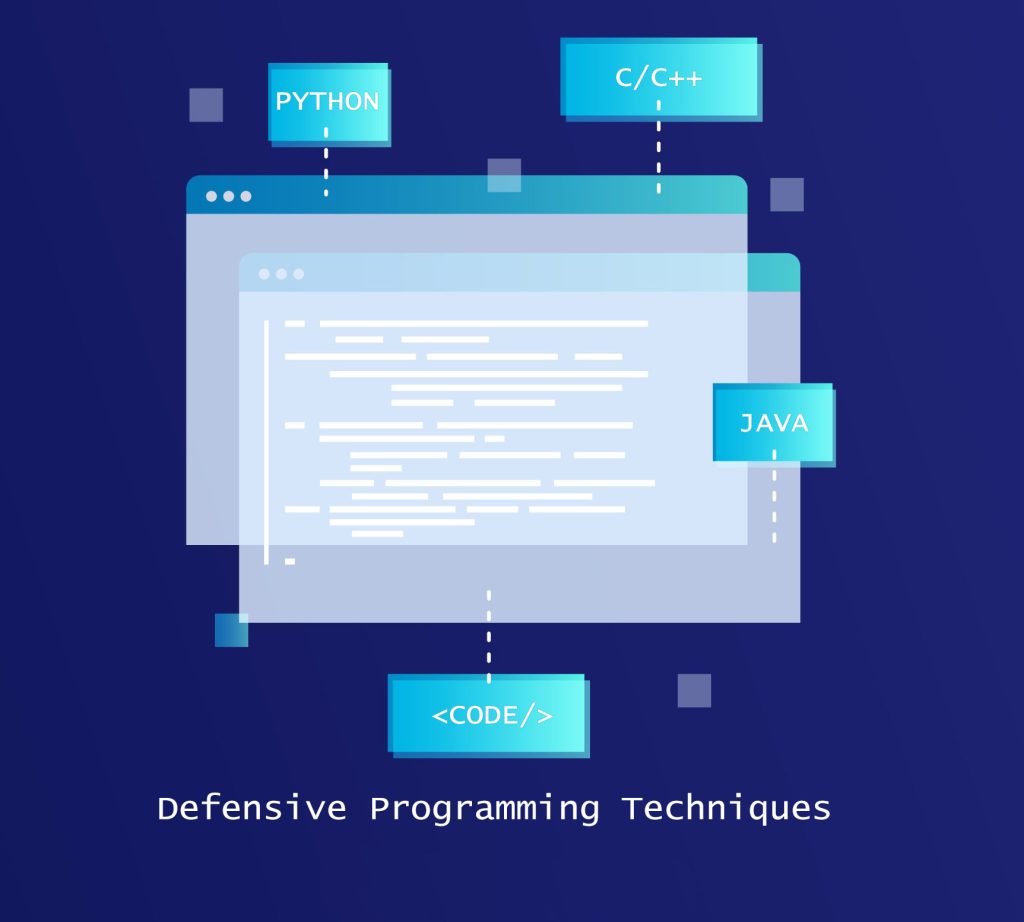
In C, an array can be initialized using aggregates, which are a collection of values enclosed in braces ({}) and separated by commas. Another way to initialize array by using a loop which allows you to set the initial values of an array using a more flexible and dynamic approach. The basic idea is to use a loop to assign values to each element of the array based on some condition or calculation.

, ,
Scroll to Top