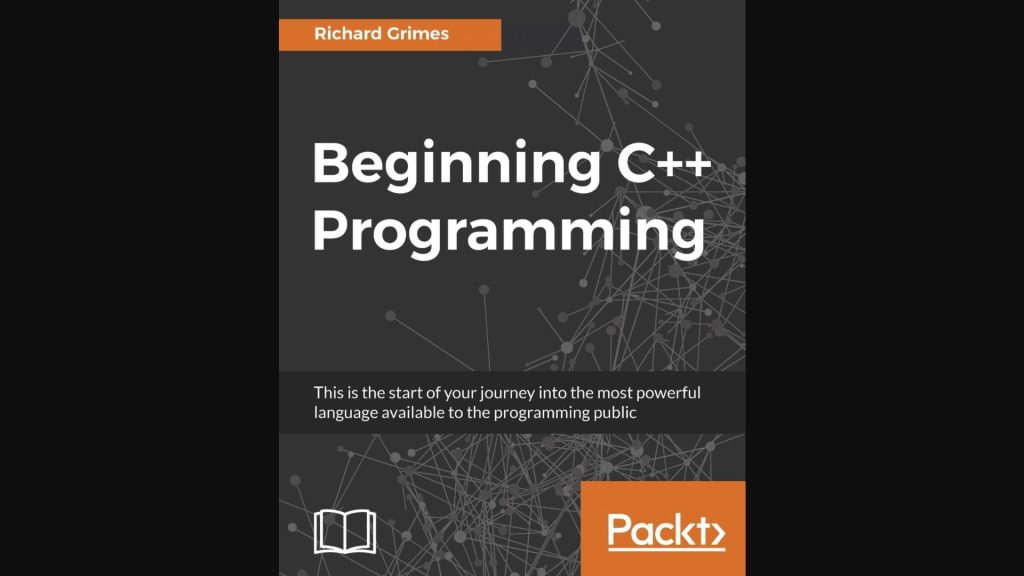
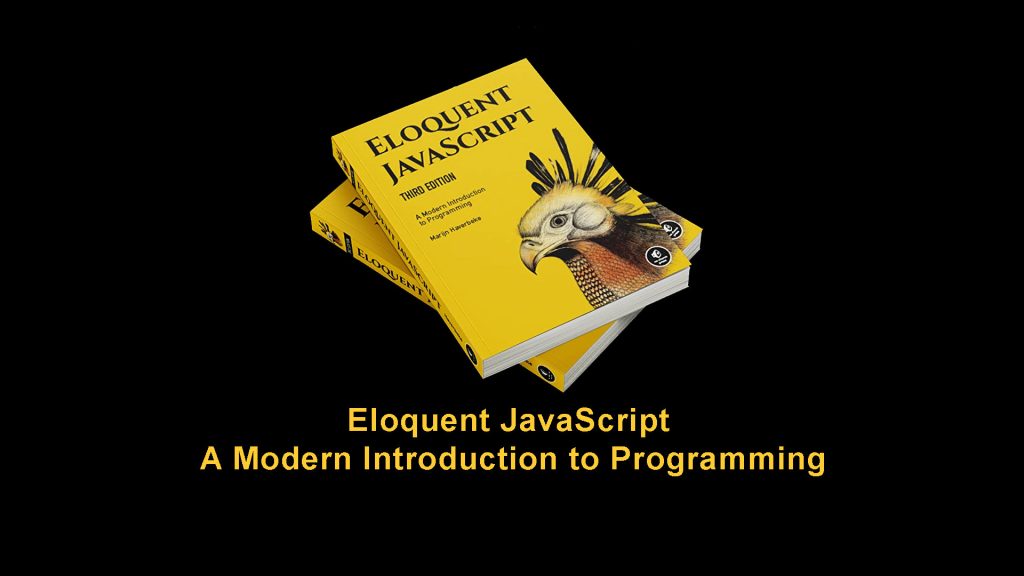
The difference between a programmer who plateaus and one who keeps growing often comes down to the resources they invest in. The right book at the right moment reframes how you think about a problem. The right tool eliminates hours of friction. The right library gives you a foundation to build on rather than starting from scratch. Knowing where to find quality resources — and which ones are actually worth your time — is itself a valuable skill.
MYCPLUS has been curating programming resources for developers since 2004, building one of the most comprehensive collections of programming books, developer tools, compilers, libraries and learning materials available on a single site. This Resources hub brings together over 145 articles covering two core areas — an extensive Books section with reviews and recommendations across every major programming topic, and a Tools section covering the compilers, IDEs, static analysis tools, libraries and developer utilities that help programmers work more effectively.
Every resource in this section has been selected with the MYCPLUS developer audience in mind — working programmers, computer science students and software engineers who want reliable recommendations rather than generic lists. Whether you are looking for the best C++ book, a new compiler to try or a library to solve a specific problem — start here.
This Resources hub covers two core areas for developer learning and productivity:
- Programming Books — over 125 curated book reviews and recommendations across C, C++, Java, algorithms, software development and more
- Developer Tools — compiler guides, library overviews, static analysis tools and the utilities professional developers rely on
What You’ll Learn
Programming book recommendations — curated reviews and recommendations across C, C++, Java, Python, JavaScript, algorithms, data structures, software development and computer science fundamentals
Developer tools and compilers — guides to compilers, IDEs, debuggers, build tools and the development environment tools that make C, C++ and other language development more productive
Libraries and frameworks — practical overviews of programming libraries, STL resources, algorithm libraries and the reusable code foundations that save developers significant development time
Static code analysis tools — reviews and comparisons of code analysis tools that automatically detect bugs, vulnerabilities and code quality issues in C, C++ and other language codebases
Software development utilities — productivity tools, text editors, version control clients, profilers and the developer utility software that professional programmers rely on daily
Learning and reference materials — syntax references, cheat sheets, online learning resources and curated study materials for programmers building skills across multiple languages and disciplines
Trusted by developers and computer science students since 2004 — the MYCPLUS Resources section curates over 145 books, tools and learning materials with honest recommendations designed to help programmers at every level find the resources that genuinely accelerate their development.