
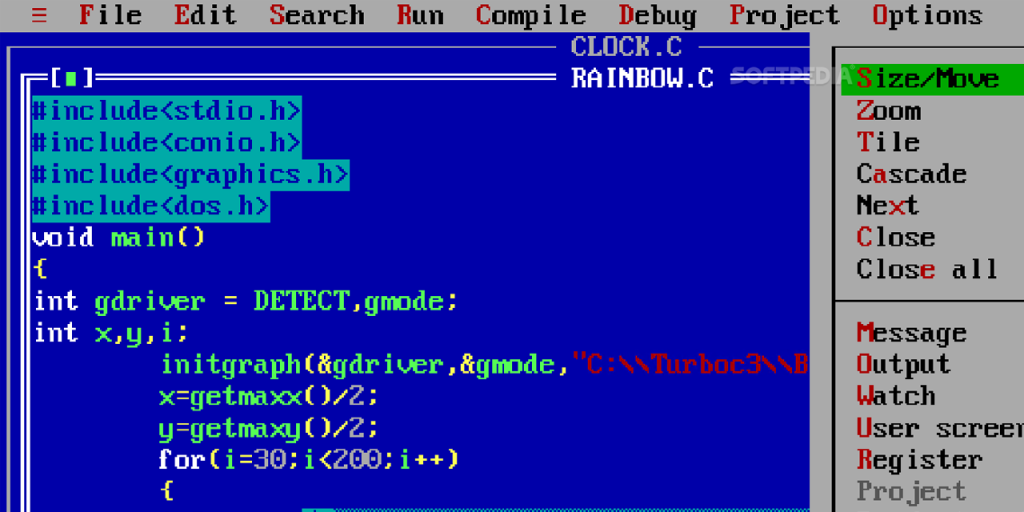
Turbo C Compiler: History, Features, and Build Your Own UI in C
This is a small C program that demonstrates Turbo C Compiler User Interface. This is done by using graphics library in C.
This is a small C program that demonstrates Turbo C Compiler User Interface. This is done by using graphics library in C.
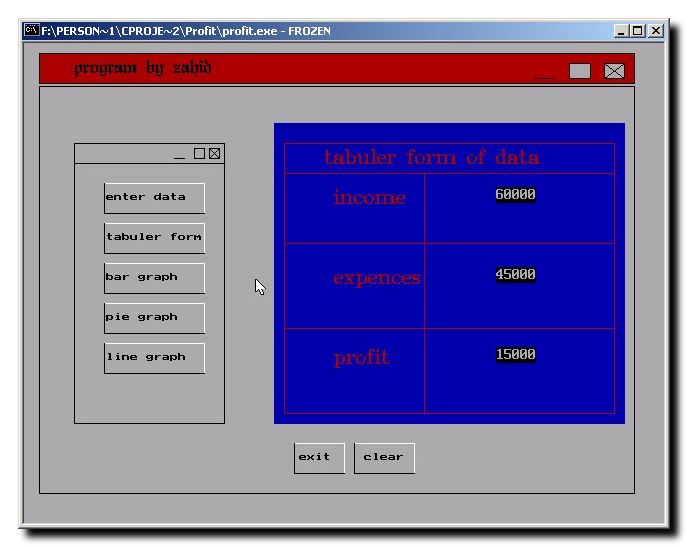
This is a small utility written in C Programming Language to calculate the net income by checking a person’s salary and monthly expenses. On the basis of this information it calculates the loss or profit. It has a nice graphical User Interface with different formats to show the information i.e. Pie Chart: Shows the information in Pie chart with different colors for salary, expenses and net income. Tabular: Show all the information in tabular form. Bar Graph: Shows the information in Bar Graph with different colors for salary, expenses and net income.
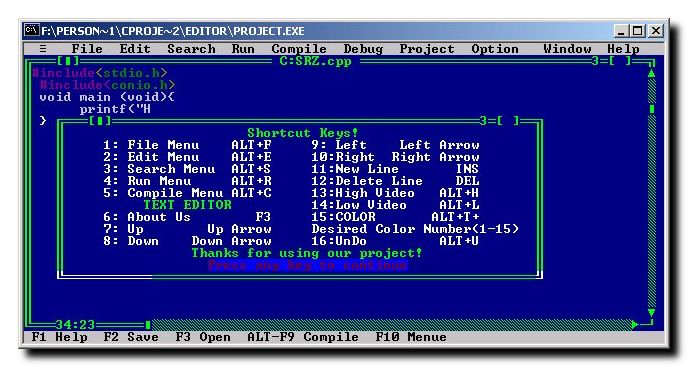
This program is written in pure C programming language. The interface of the C program is just like Turbo C/C++ compiler like interface, and it also provides some dialog boxes same like the Turbo C/C++ compiler. It has menus just like C/C++ compiler, text formatting options and also provides options to change font color.
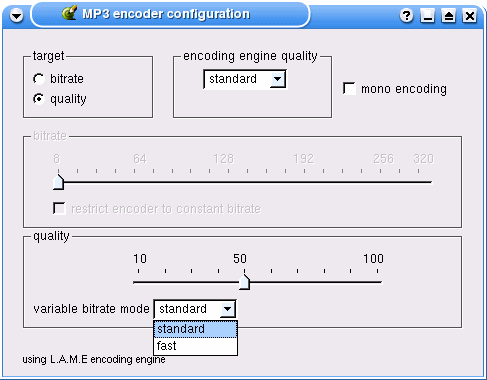
LAME is an educational software used for learning about MPEG Audio Layer III (MP3) encoding. The goal of the LAME project is to use the open source model to improve the psycho acoustics, noise shaping and speed of MP3. LAME is distributed as source code only.
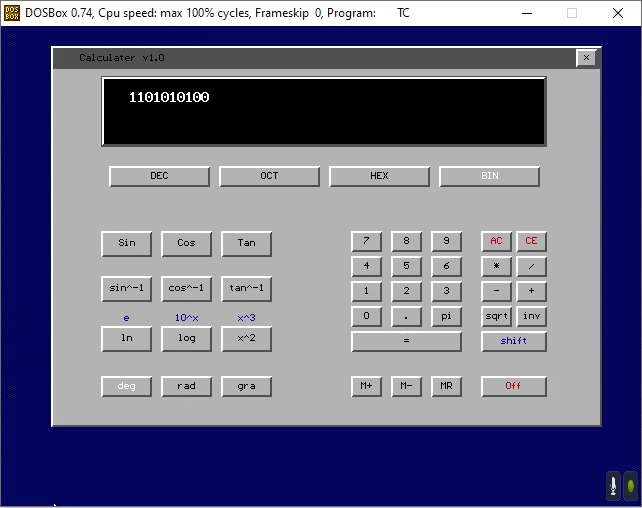
This graphical scientific calculator purely written in C programming language. It uses small functions to draw buttons on the screen and perform scientific operations like conversion, logarithm, and other operations. Every operation can be performed using the mouse buttons as well as keyboard. It can perform almost all the functions shown on the screen except few functions which will be implemented in the next version of this calculator code.
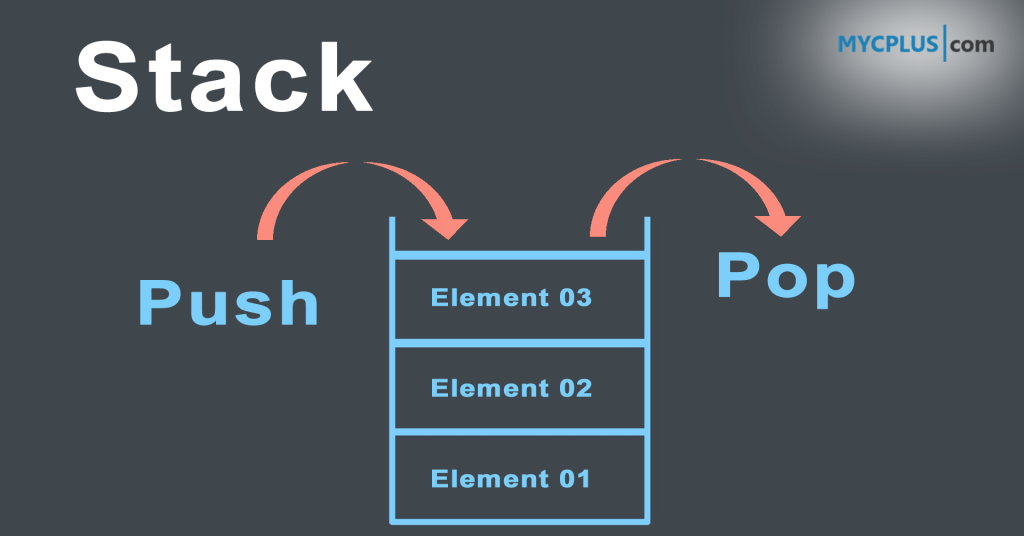
This is a C program that simulates stack operations graphically and in text mode. The program uses linked list to
This is implementation of Bayer-Trees, which are normally used for indices of data bases. These routines provide all stuff that is needed to create and destroy; insert, update and delete; load and destroy; search and traverse; check a tree. Sort huge amounts of data by doing a multi-phase sorting on temporary files.
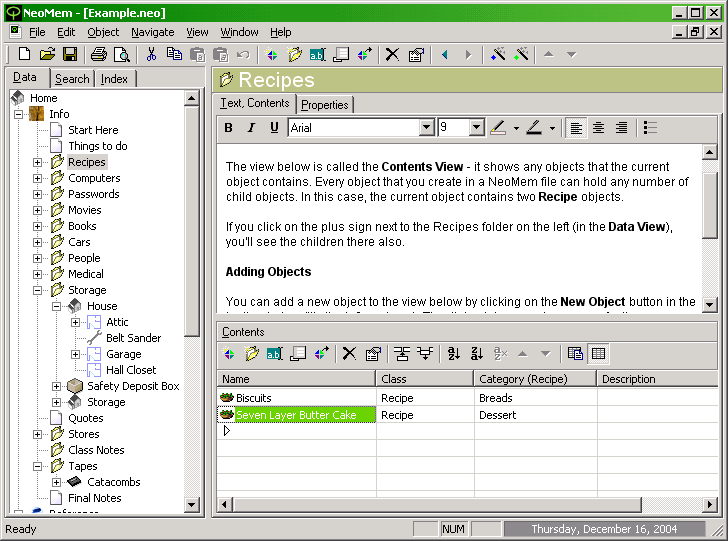
NeoMem allows you to store and organize all kinds of information in a cross between a word processor and database. The interface is similar to Windows Explorer, except that instead of dealing with files on a hard disk you deal with objects in a file. It can be used to store to do lists, books, website passwords, addresses, account information, and collections of all kinds. You can define your own classes for items that you want to store information about, and define properties for those objects. Each object can also store formatted text in a simple word processor view.

LibGD is an open source Graphics library for the creation of images dynamically by programmers. GD is written in C, and “wrappers” are available for Perl, PHP and other languages. GD is commonly used to generate charts, graphics, thumbnails, and most anything else, on the fly. While not restricted to use on the web, the most common applications of GD involve website development. It allows to quickly draw images complete with lines, arcs, text, multiple colors, cut and paste from other images, and flood fills, and write out the result as a PNG or JPEG file.