Algorithms Tutorials — Implementation in C, Data Structures and Algorithm Libraries
Algorithms are the foundation of all software — the precise, step-by-step instructions that tell a computer how to solve a problem efficiently. Understanding algorithms is not just an academic exercise. It is what separates programmers who write code that works from engineers who write code that works fast, scales under load and handles complex problems elegantly. From sorting a list of names to finding the shortest path across a network, algorithms determine how well your software performs in the real world.
MYCPLUS has been publishing algorithm tutorials and implementation guides since 2004, with a particular focus on practical algorithm implementations in C and C++. This section covers the essential algorithms every programmer should understand — sorting, searching, graph traversal, tree operations and optimisation techniques — alongside the data structures those algorithms are built on, each explained and implemented in code you can compile and study.
Each tutorial explains how the algorithm works, analyses its time and space complexity, and includes working source code you can compile and study. The refreshed tutorials go further: the code is compiled and run for the article, its output is shown as captured, and the source and tests are on GitHub. Whether you are preparing for technical interviews, studying computer science fundamentals or optimising production code — start here.
What You’ll Learn
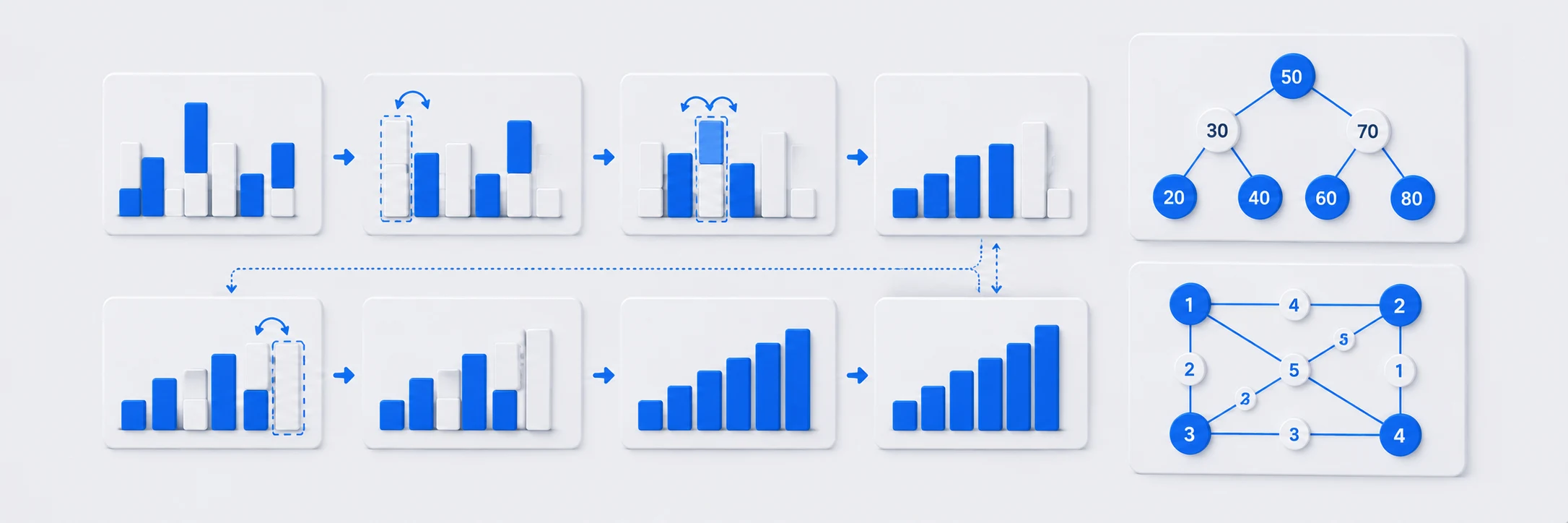
- Sorting algorithms — bubble sort, selection sort, insertion sort, Shell sort, merge sort, quicksort and heap sort, each explained step by step with complexity analysis and working code in C and C++
- Recursion and dynamic programming — the Towers of Hanoi, the Fibonacci series with memoization and the 0/1 knapsack problem: solving a problem through smaller copies of itself, and storing results so they are not computed twice
- Graph and number algorithms — Kruskal’s minimum spanning tree and prime number programs from trial division to the Sieve of Eratosthenes and Miller–Rabin
- Data structures for algorithms — arrays, linked lists, stacks, tries and binary trees, the building blocks the algorithms above rely on
- Data structures for algorithms — arrays, linked lists, stacks, queues, binary trees and hash tables as the building blocks for efficient algorithm implementation in C and C++
- Algorithm complexity and analysis — understanding Big O notation, time and space complexity, best and worst case analysis and choosing the right algorithm for your specific problem
- C algorithm libraries — when to call qsort(), std::sort or std::stable_sort instead of writing your own, what each one does and does not guarantee, and how they compare with hand-written sorts in the sorting algorithms comparison
Why MYCPLUS: Trusted by programmers and computer science students since 2004 — the algorithm tutorials pair each explanation with complexity analysis and source code, and the refreshed ones are compiled, run and tested for the article.
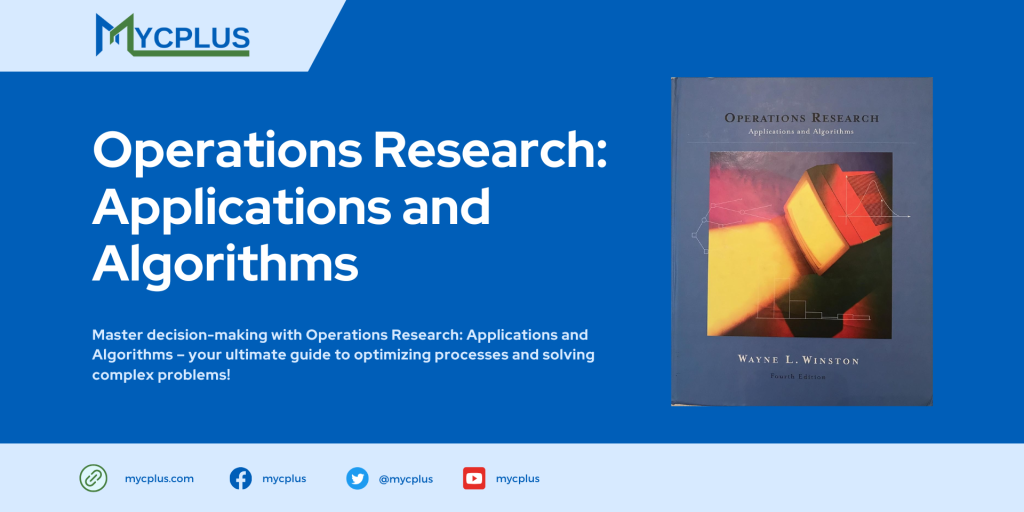
Unlock the power of optimization and problem-solving with Operations Research: Applications and Algorithms. This book equips readers with the tools to tackle complex decision-making challenges in fields like logistics, finance, and manufacturing. A must-have for anyone interested in the application of mathematical modeling and algorithms.
Algorithms Books
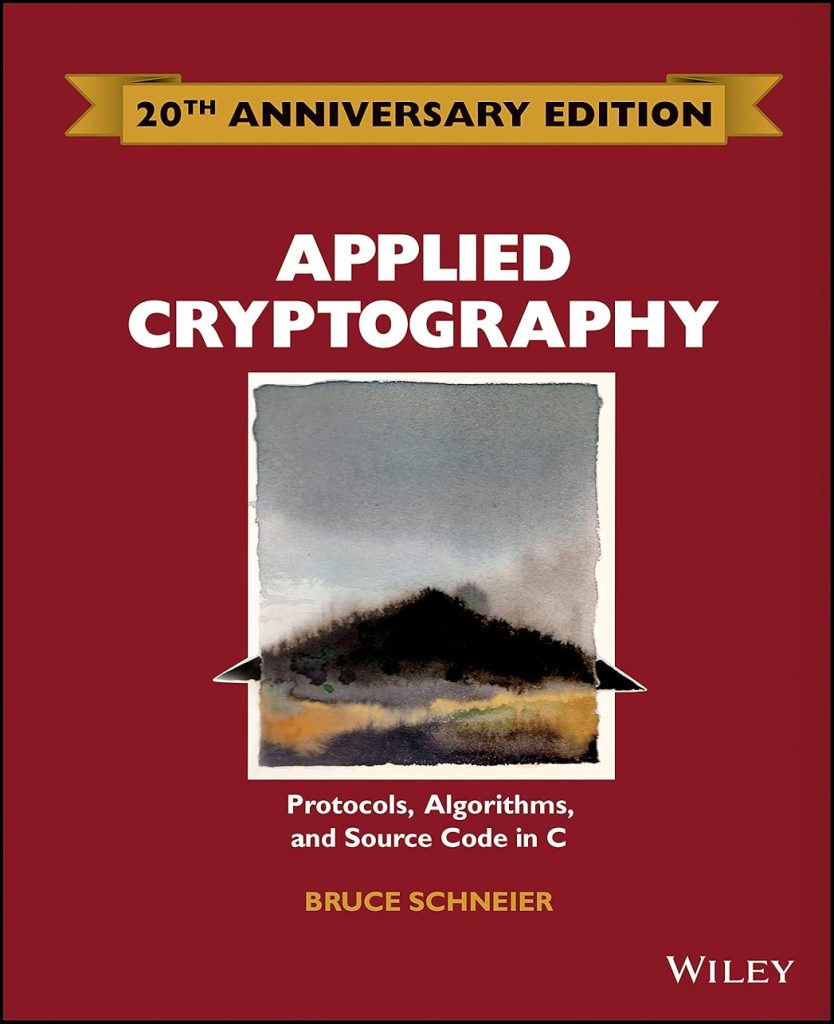
Master cybersecurity with Applied Cryptography! Explore protocols, algorithms, and real-world applications in this must-have guide for tech professionals and enthusiasts. Get your copy now!
Algorithms Books C Programming Source Code
In this article, we explore different sorting techniques applied to strings in Java. We will look into the implementation of the direct insertion sorting algorithm and more advanced techniques such as the Merge Sort and Quick Sort algorithms. Each approach offers unique advantages by providing Java developers with flexibility in choosing the most suitable method based on the specific requirements of their applications.
Algorithms Java Sorting Source Code Strings
This C program finds the longest common sub-sequence between two strings. It implements the most famous dynamic programming algorithm. Dynamic programming is a computational technique used to solve complex problems by breaking them down into smaller subproblems and solving each subproblem only once, storing the solution to each subproblem and using it to solve larger problems.
Algorithms C Programming Source Code Strings
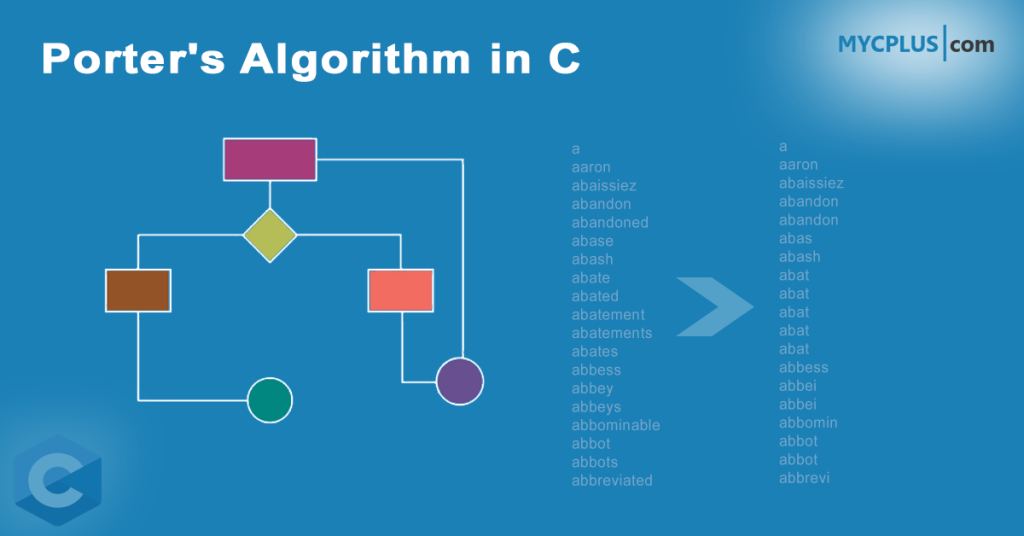
Originally written in 1979 at Computer Laboratory, Cambridge (England), it was reprinted in 1997 in the book “Readings in Information Retrieval”. Initially it was written in BCPL language. Here is the list of implementations in other programming languages including C, Java and Pearl implementations done by author himself.
Algorithms C Programming Source Code
This is implementation of Bayer-Trees, which are normally used for indices of data bases. These routines provide all stuff that is needed to create and destroy; insert, update and delete; load and destroy; search and traverse; check a tree. Sort huge amounts of data by doing a multi-phase sorting on temporary files.
Algorithms C Programming Data Structures Utilities
Data structures are fundamental concepts for any software application and programming in general. It is an incredibly valuable skill set to serve you in your career. That’s why it is a great idea to start learning it in college to have time for practice and in-depth research.
Algorithms Data Structures Programming Searching Sorting
Algorithmic logic is crucial for computer science. It might sound complex for a beginner, but it is manageable upon further inspection. It is based on the daily logic people use whether they look for the best assignment help website or the best flight ticket aggregator. Hopefully, this guide will help you start with mastering algorithms.
Algorithms Programming Searching Sorting