
Exception Handling in C# Applications
In C#, an exception is a runtime error or unexpected behavior that occurs during the execution of a program. Exceptions […]
In C#, an exception is a runtime error or unexpected behavior that occurs during the execution of a program. Exceptions […]
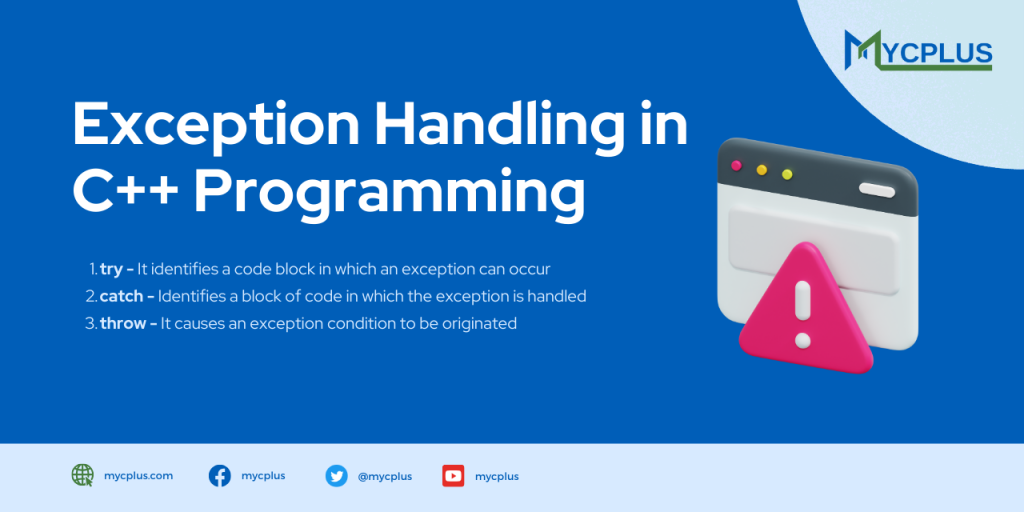
Exceptions are the way of flagging unexpected conditions or errors that have occurred in C++ program. C++ Language provides a good mechanism to tackle these conditions. The exception mechanism uses three keywords: try, catch and throw.
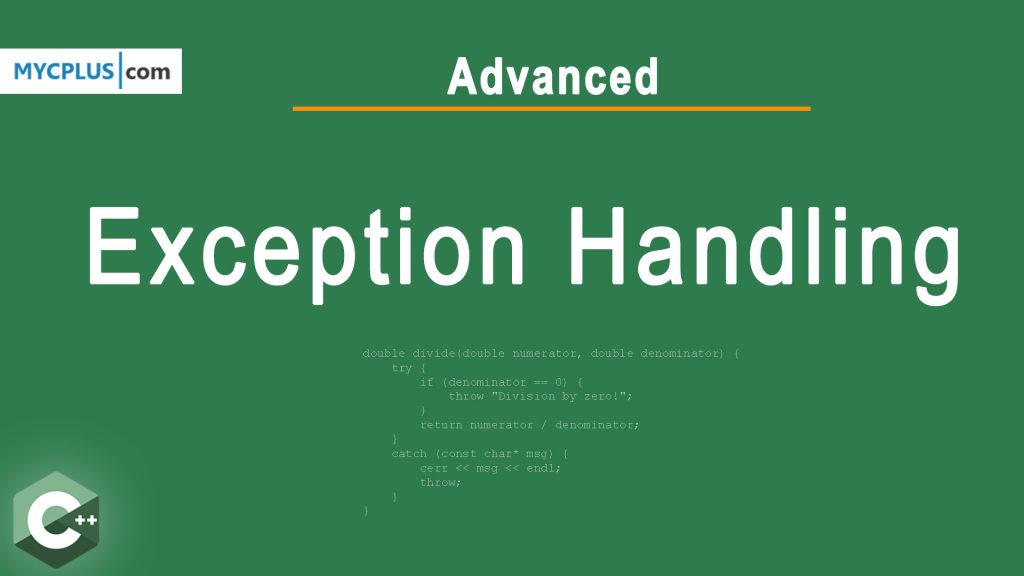
An exception usually signals an error. One of the major features in C++ is exception handling, which is a better way of thinking about and handling errors. Thought it doesn’t always indicate an error, it can also signal some particularly unusual even in your program that deserves special attention. This article also covers try, throw, and catch, the C++ keywords that support exception handling.
This Java program demonstrates the essential concepts of exception handling using the try-catch-finally construct. Exception handling is crucial for dealing with unexpected errors that may occur during program execution.
Error recovery is a fundamental concern for every program you write, and it’s especially important in C++, in which one