

Programming Careers — Professional Advice, Skills Guidance and Developer Career Tips

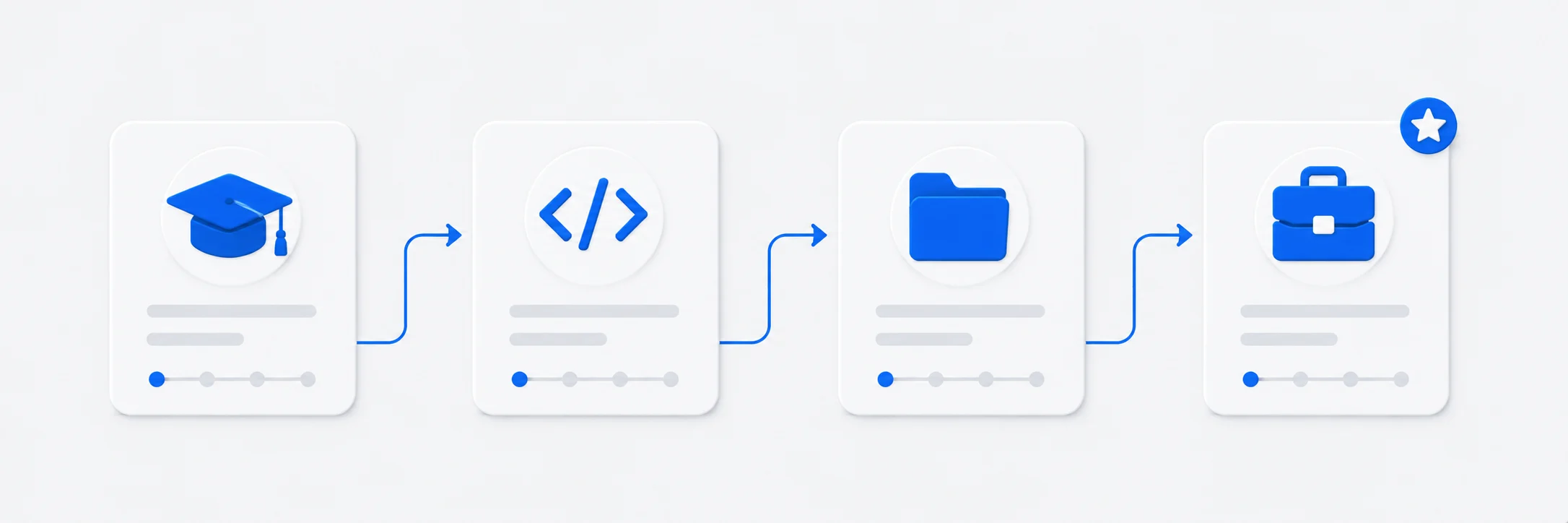
Flat career roadmap illustration showing four milestone steps from education through skills portfolio to programming career with upward arrows and icons in blue and white

Building a successful career in programming takes more than technical skill. The developers who thrive long-term combine strong coding fundamentals with professional awareness — knowing which skills the industry values, how to present themselves to employers, how to navigate career transitions and how to keep growing in a field that never stops changing. Whether you are just starting out or looking to level up, having the right guidance at the right time makes an enormous difference.

MYCPLUS has been publishing programming career guides, professional development advice and skill-building resources since 2007. This section covers the practical, real-world career guidance that programming courses and textbooks rarely teach — from choosing the right programming languages to learn, building a portfolio that gets noticed, preparing for technical interviews, and developing the professional skills that separate good developers from great ones.

With articles covering career entry points, specialisation paths including game programming, full stack development and software engineering, and practical tips for continuous professional growth, this section gives programmers at every stage of their career the honest, actionable guidance they need. Your technical skills get you in the room — this section helps you know what to do when you get there.

What You’ll Learn:

  • Choosing the right programming skills — understanding which languages, frameworks and technologies the industry values most, how to prioritise your learning and build a skill set that opens career doors
  • Building a programming portfolio — creating projects that demonstrate real ability, presenting your work effectively on GitHub and personal sites, and making your portfolio stand out to hiring managers and technical recruiters
  • Technical interview preparation — understanding coding challenges, common algorithm and data structure questions, system design interviews and the practical preparation strategies that give developers confidence in interviews
  • Career paths in programming — exploring specialisations including game development, full stack development, systems programming, software engineering and DevOps, with honest guidance on what each path requires
  • Professional development and growth — staying current in a fast-moving industry, developing soft skills alongside technical skills, building professional networks and navigating career transitions and promotions
  • Tips and tricks from experienced developers — practical insider advice on productivity, code quality habits, working in teams, managing technical debt and the professional practices that experienced programmers wish they had learned earlier

Why MYCPLUS: Trusted by programmers and developers since 2007 — every career guide combines honest professional advice, practical skill guidance and real-world tips designed to help programmers at every level build confident, sustainable careers in software development.

How to Learn to Program More Quickly

Learning programming is undeniably challenging. Achieving some level of mastery requires great focus and time. This applies to students pursuing degrees in computer science, veterans who can operate the GI Bill, aspiring self-taught programmers, and coding Bootcamp students. And even as mastering programming craft remains a perpetual struggle, it is something doable.

Scroll to Top