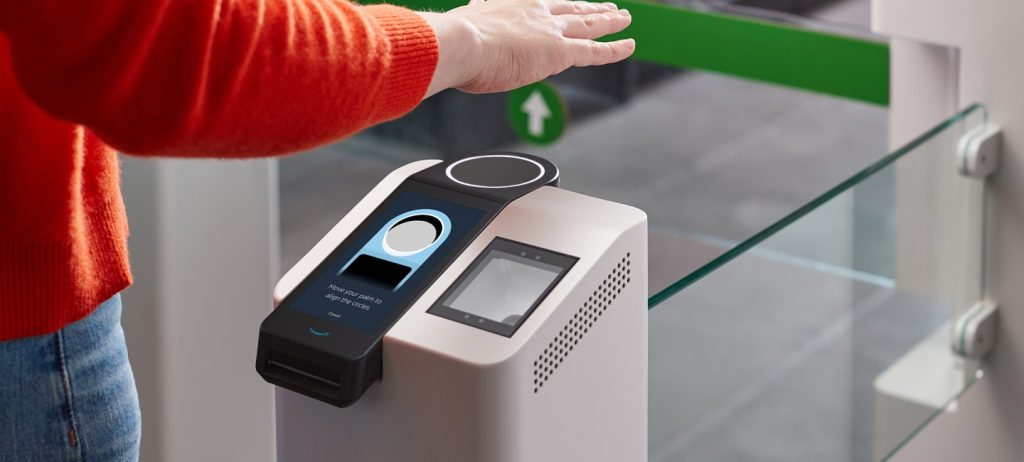

Workplaces today rely on technology more than ever. From smartphones and cloud software to smart sensors and GPS systems, modern businesses utilize a wide range of tools to stay connected and efficient. This raises an important question for safety-focused organizations: can a lone worker alarm be integrated into existing technology?
The short answer is yes. In fact, integration is one of the biggest strengths of modern lone worker alarm systems. When done correctly, it improves safety without adding complexity.
What Is a Lone Worker Alarm?
A lone worker alarm is a safety system designed to protect employees who work alone or away from direct supervision. This includes delivery drivers, security guards, maintenance staff, healthcare workers, and field technicians.
These alarms can detect emergencies such as falls, lack of movement, panic situations, or missed check-ins. When triggered, the alarm sends an alert to a supervisor, control room, or emergency contact with the worker’s location and details.
Why Integration Matters
Most companies already use multiple technologies every day. Adding a separate system that does not connect with existing tools can create confusion and slow response times.
Integrating a lone worker alarm into existing tech offers clear benefits:
- Faster emergency response
- Fewer devices to manage
- Lower training time
- Better data tracking
- Higher employee adoption
When safety tools fit smoothly into daily workflows, workers are more likely to use them correctly.
Integration with Smartphones
One of the most common integrations today is with smartphones. Many modern lone worker alarm systems work as mobile apps rather than standalone devices.
These apps use built-in phone features like:
- GPS for live location tracking
- Accelerometers for fall detection
- Touchscreens for panic buttons
- Mobile data or Wi-Fi for alerts
This means workers do not need to carry extra equipment. As long as they have their phone, the lone worker alarm is always with them.
Integration with GPS and Tracking Systems
Many businesses already use GPS tracking for vehicles or assets. A lone worker alarm can often connect to these systems.
When integrated, managers can:
- See a worker’s real-time location
- Review movement history
- Quickly send help to the exact spot
This is especially useful for lone workers in remote areas, large facilities, or outdoor job sites.
Integration with Control Rooms and Dashboards
Larger organizations often operate control rooms or centralized monitoring dashboards. Lone worker alarms can feed directly into these systems.
Alerts can appear alongside:
- CCTV feeds
- Access control systems
- Dispatch software
- Incident management tools
This gives safety teams a full picture of what is happening, allowing them to respond calmly and accurately during emergencies.
Integration with Wearable Devices
Some lone worker alarms also integrate with wearables such as smartwatches, badges, or dedicated safety devices.
These wearables can:
- Trigger alerts with a single button
- Detect falls automatically
- Monitor inactivity
- Work hands-free in hazardous environments
Wearable integration is ideal for workers who cannot easily use a phone during their tasks.
Cloud and Software Integration
Modern lone worker alarm systems are usually cloud-based. This allows them to connect with existing software platforms such as:
- Workforce management systems
- Scheduling tools
- Health and safety reporting software
- HR systems
Cloud integration makes it easier to generate reports, review incidents, and improve safety policies over time.
Challenges to Consider
While integration is possible, it must be planned carefully. Some challenges include:
- Older systems that lack compatibility
- Poor internet or mobile coverage
- Data privacy and security requirements
- Staff training needs
Choosing a flexible lone worker alarm that supports open integrations and secure data handling helps reduce these issues.
How to Choose the Right Integrated Lone Worker Alarm
When selecting a system, businesses should ask:
- Does it work with smartphones we already use?
- Can it connect to our GPS or monitoring tools?
- Is it easy for workers to use?
- Does it scale as our team grows?
- Does it meet safety and compliance standards?
A well-integrated lone worker alarm should feel like part of your existing technology, not an extra burden.
Final Thoughts
So, can lone worker alarms be integrated into existing tech? Absolutely. Today’s systems are designed to work with smartphones, GPS, wearables, cloud platforms, and monitoring dashboards.
When properly integrated, a lone worker alarm becomes more than a safety device. It becomes a natural extension of your workplace technology, helping protect employees while keeping operations smooth and efficient.
In a world where safety and technology go hand in hand, integration is no longer optional—it’s essential.