
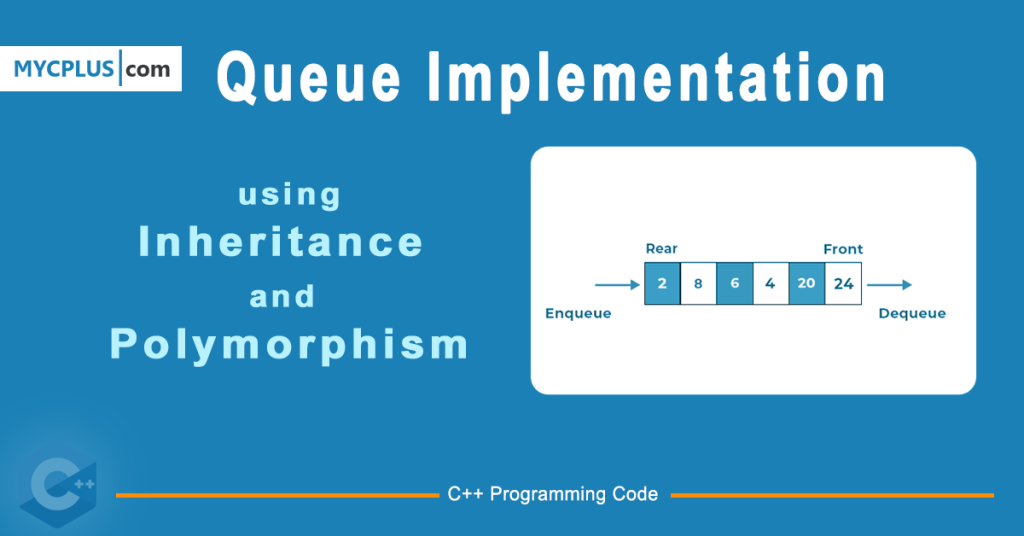
Queue Implementation with Inheritance and Polymorphism
Following is the source code of simple queue implementation with the help of Inheritance and Polymorphism i.e. Late Binding.
Following is the source code of simple queue implementation with the help of Inheritance and Polymorphism i.e. Late Binding.

Container classes are the solution to a specific kind of code reuse problem. They are building blocks used to create
Runtime type identification (RTTI) lets you find the dynamic type of an object when you have only a pointer or
You can do much more with the general I/O problem than just take standard I/O and turn it into a
Algorithms are at the core of computing. To be able to write an algorithm once and for all to work
Standard C++ not only incorporates all the Standard C libraries (with small additions and changes to support type safety), it
This is C++ Flexible Vector and Matrix (Vectors and Matrix with Arbitrary Bounds). The algorithm has been written by Alex
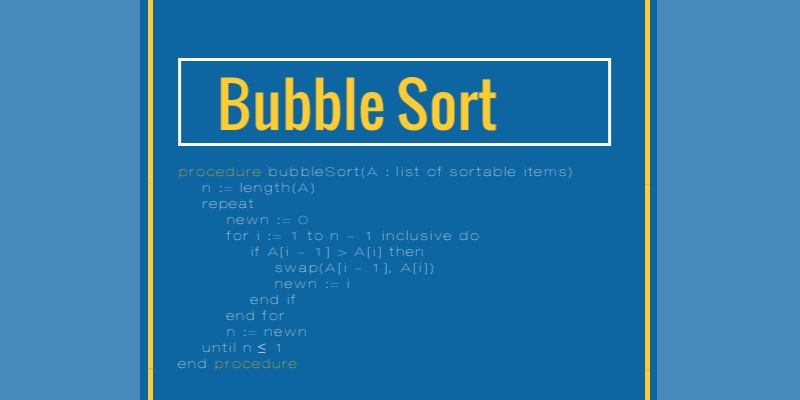
Bubble Sort is the most simple form of sorting algorithm that works by repeatedly stepping through the list of items (array) and swapping the adjacent elements if they are in incorrect order. This algorithm has no such real life uses due to it’s poor performance and is used primarily as an educational tool.
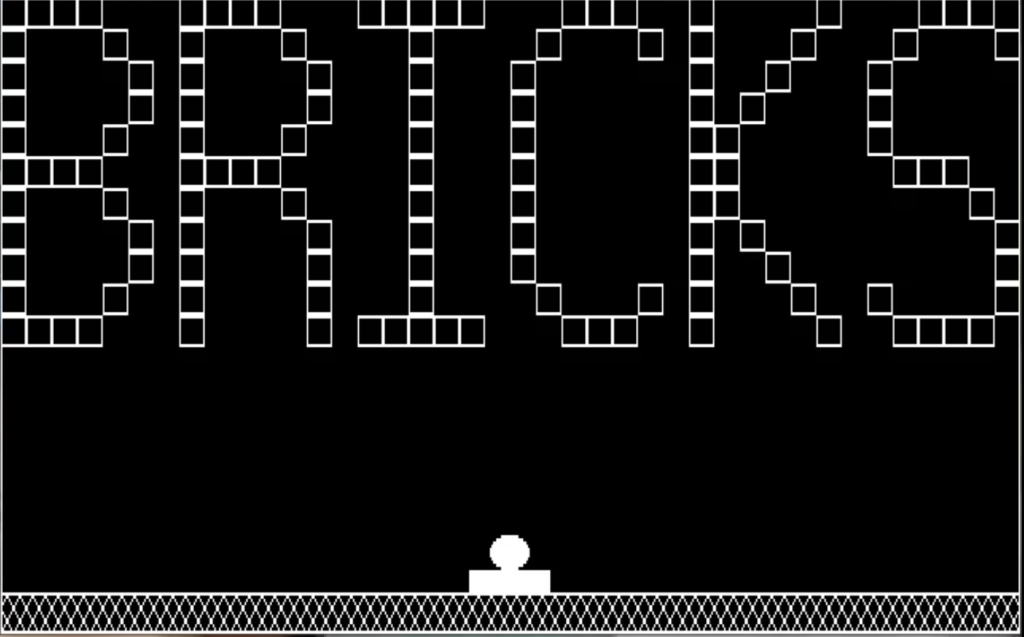
This is the complete source code of the most favorite flash game ‘Web Breaker’. The source code is written completely in C/C++ programming language. The game runs in DOS graphics mode. You can use either Turbo C++ compiler or Dev C++ compiler to compile and run this code.
This is a C Program that illustrates a simple TCP (Transmission Control Protocol) server that accepts incoming client connections. Once a client connection is established, a thread is spawned to read data from the client and echo it back (if the echo option is not disabled).
The sender program is a UDP datagram sender that can be configured through command line options. It initializes Winsock, creates a UDP socket, and either connects to a recipient’s IP address or uses sendto() to send datagram messages. The receiver program complements the sender by receiving UDP datagrams.