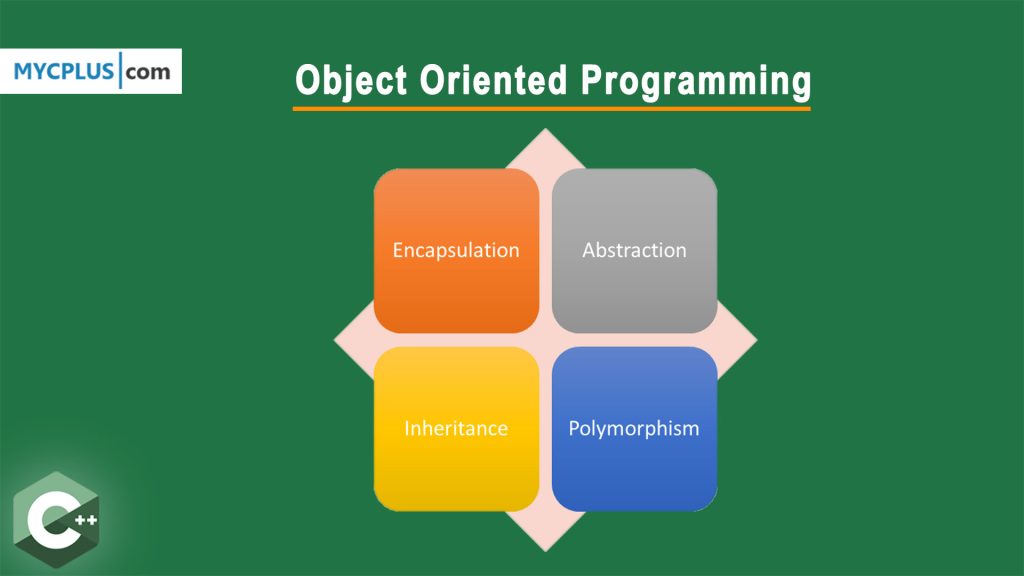
Object Oriented Programming

Polymorphism: Object Oriented Programming (OOP)

In OOP terms, polymorphism represents the ability to resolve a reference to an object’s method at run time. Specifically, different objects could make a call to a Draw or Print method, and these methods would act differently with each object; the process can take different forms behind a common interface. One of the benefits of polymorphism is that because the interface is common to objects, any object is able to respond differently to some common set of tasks, and objects are independent of each other.
The C++ Standard Library

STL: The C++ Standard Template Library

The STL (Standard Template Library) was originally a third-party library from HP and later SGI, before its incorporation into the C++ standard. The standard does not refer to it as “STL”, as it is merely a part of the standard library, but many people still use that term to distinguish it from the rest of the library (input/output streams [known as IOstreams], internationalization, diagnostics, the C library subset, etc.).

Microsoft .NET

All About Microsoft .NET

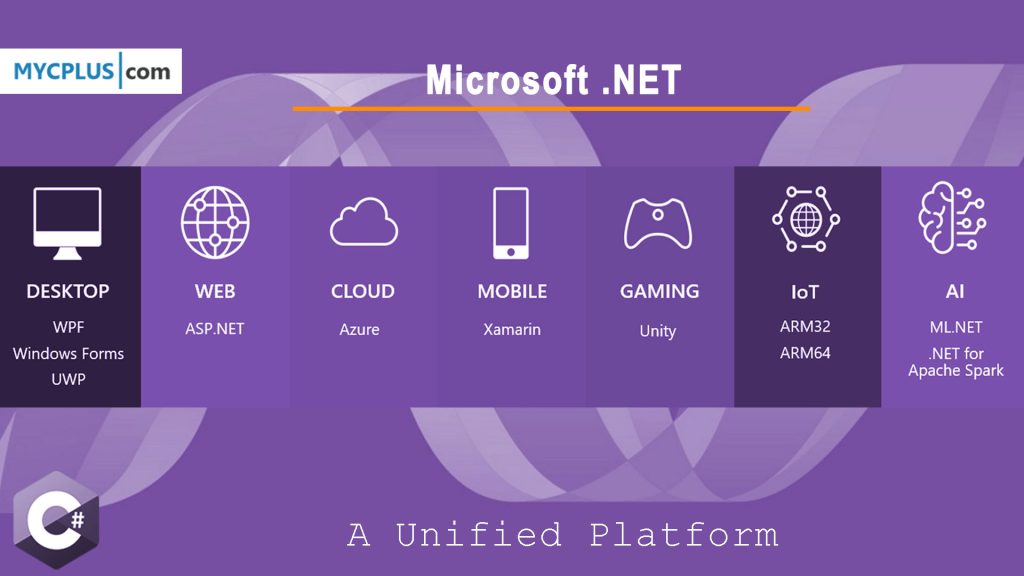
The Microsoft .NET, more commonly known as simply the .NET Framework, is a software development platform created by Microsoft. The

Datagram Operations using C

Datagram Operations using C

This application demonstrates the various datagram operations possible from NetBIOS. This includes sending and receiving both directed and group datagrams as well as broadcast datagrams.

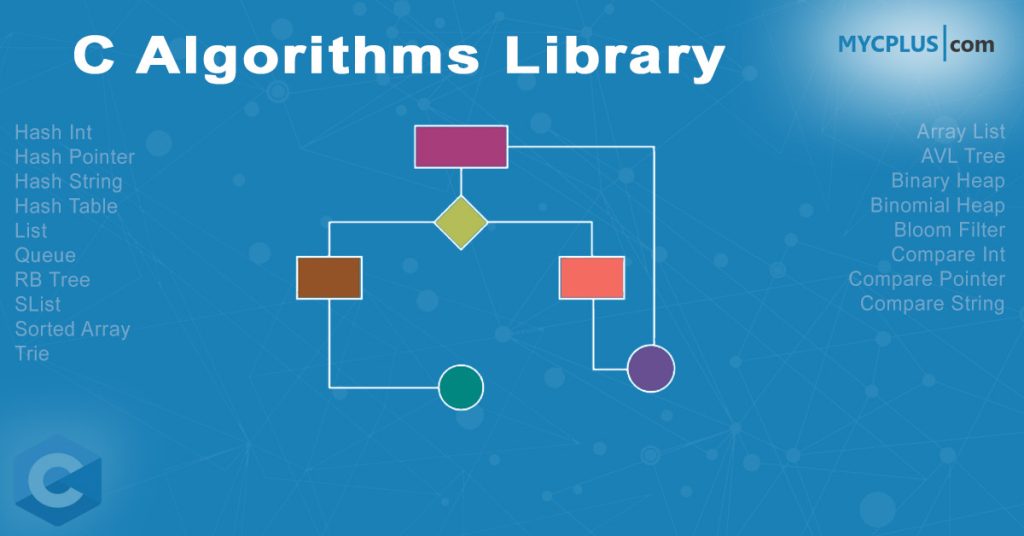
c-algorithms-library

Bayer Tree implementation in C

This is implementation of Bayer-Trees, which are normally used for indices of data bases. These routines provide all stuff that is needed to create and destroy; insert, update and delete; load and destroy; search and traverse; check a tree. Sort huge amounts of data by doing a multi-phase sorting on temporary files.

Personal Organizer

Personal Organizer

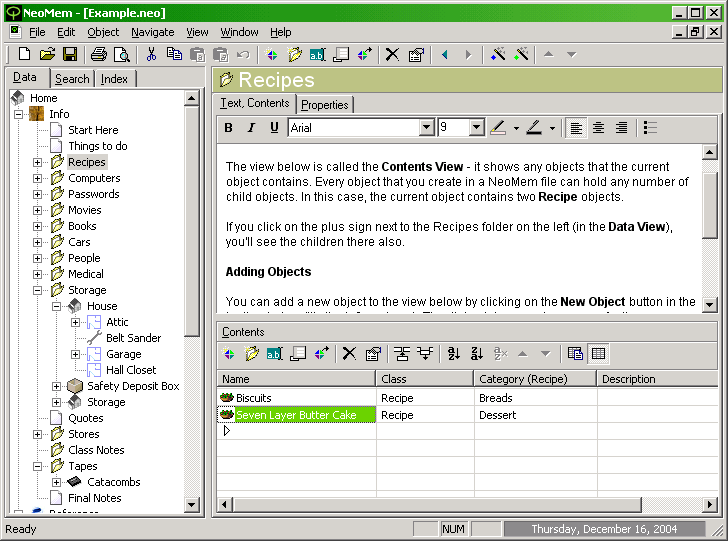
NeoMem allows you to store and organize all kinds of information in a cross between a word processor and database. The interface is similar to Windows Explorer, except that instead of dealing with files on a hard disk you deal with objects in a file. It can be used to store to do lists, books, website passwords, addresses, account information, and collections of all kinds. You can define your own classes for items that you want to store information about, and define properties for those objects. Each object can also store formatted text in a simple word processor view.

Scroll to Top